
Scientific Literature
Summarized and commented coverage of the most interesting and recent scientific articles in the fields of nutrition and health
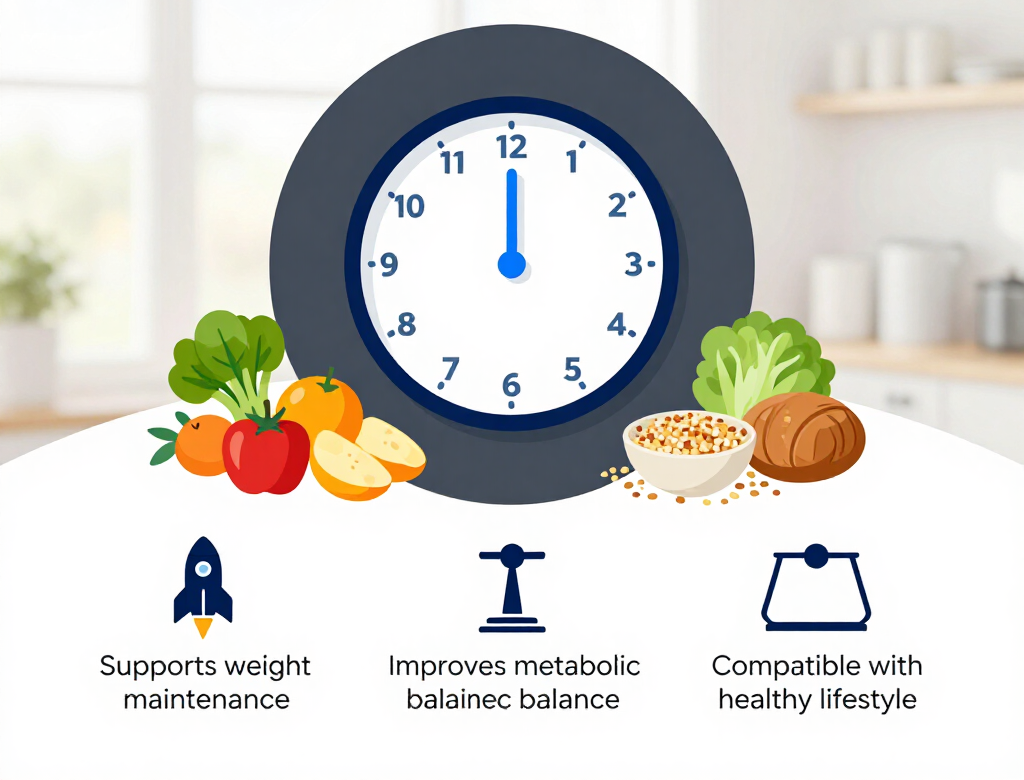
Time-restricted eating helps
in maintaining weight loss
The body metabolizes the same nutrients differently at different times of day. Chrononutrition—the study of how circadian rhythms interact with food—has moved from an experimental concept to a practical consideration in preventive medicine and weight management.
Two recent studies illustrate how timing and cultural context shape the effects of meal timing. One is a randomized clinical trial from Spain that assessed time-restricted eating (TRE). The other is an observational analysis of US national data linking late eating with higher mortality. Together, they offer two complementary but distinct messages: TRE may help sustain weight loss, while extreme meal timing habits, especially eating very late or very early, may be associated with worse long-term health outcomes.
A key practical finding of the Spanish study was that a later eating window, with meals starting around noon and dinner around 9 p.m., produced weight-maintenance results similar to those of early TRE, while fitting more naturally into Spanish eating patterns.
Data from the U.S. cohort do not support the idea that timing only matters when diet quality is ideal. In the Spanish trial, all groups received guidance on the Mediterranean diet and physical activity, while those in the fasting groups ate freely within their assigned time windows.
In the US sample, people who ate later also tended to have poorer diet quality, higher BMI, lower physical activity, and other social and clinical differences. A high-quality diet does not make all eating schedules equally healthy, but a specific eating window cannot compensate for a poor-quality diet either.
These studies do not justify recommending a universal dinner time. They suggest avoiding extremes, particularly routinely delaying the first meal until the afternoon or concentrating food intake after midnight, and tailoring the approach to sleep, work, family life, and health goals.
Meal timing can be a useful, personalized tool rather than a universal rule. Compressing food intake into an 8-hour window may help some people maintain weight loss, but if TRE is used, it should be paired with resistance training and adequate protein intake to help protect muscle mass.
Study link 1>>
Study link 2>>
09/10/2026
Herbal Remedies for Fatty Liver Disease
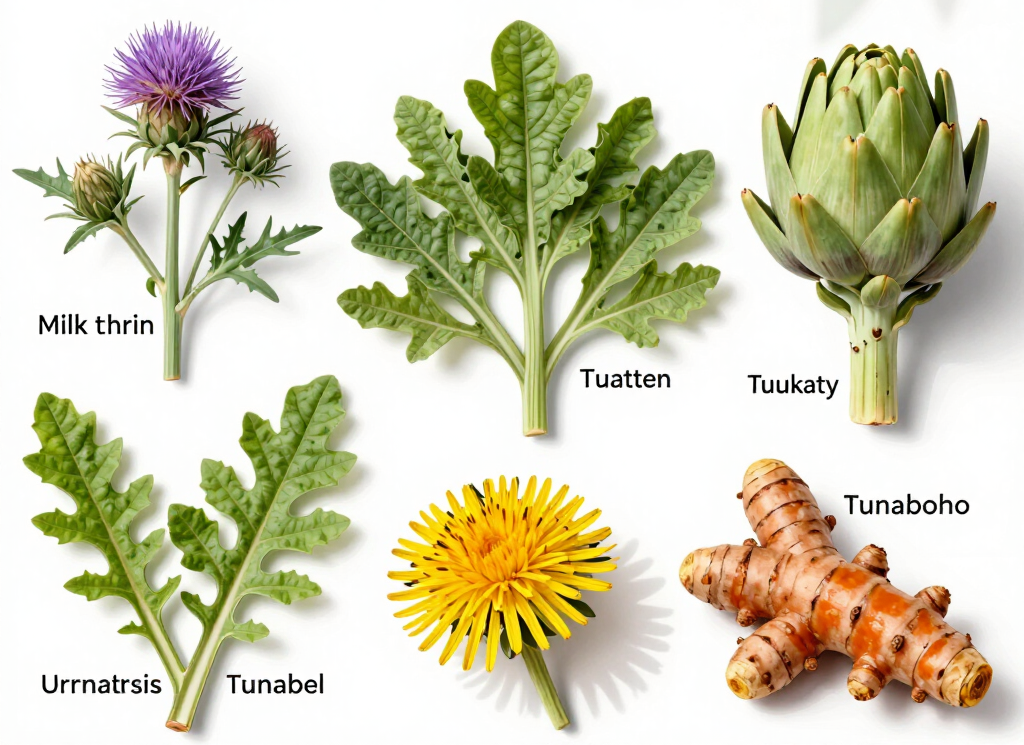
According to a systematic review and meta-analysis of 123 randomized clinical trials involving 8.595 adults with metabolic dysfunction-associated steatotic liver disease, certain herbs and herbal products, including artichoke leaf, curcumin, green tea, silymarin, flaxseed and selected garlic preparations, were associated with reductions in triglycerides, cholesterol (LDL-C), fasting blood glucose, BMI and insulin resistance.
For fasting blood glucose (63 studies), green tea, garlic, and hesperidin with flaxseed were associated with the greatest reductions. In studies of insulin resistance (39), sumac was associated with the most substantial improvement, followed by green tea and berberine with tocotrienols and green coffee.
For secondary outcomes, artichoke leaf and curcumin were associated with the greatest reductions in total cholesterol and LDL-C levels; green tea and green cardamom modestly increased HDL-C levels; chicory and green tea produced the greatest reductions in BMI; and no herbal intervention significantly reduced glycated hemoglobin levels.
Study link>>
05/09/2026
Diet and Cancer
An international study of nearly 2 million people suggests that meat-free diets may help prevent several types of cancer, but it also reached some unexpected conclusions. Participants completed detailed questionnaires about lifestyle and medical factors and were followed for a median of 16 years.
Compared with meat eaters, vegetarians had lower risks of breast, prostate, kidney, multiple myeloma, and pancreatic cancers. Poultry eaters had a lower risk of prostate cancer, while pescatarians had lower risks of colorectal, breast, and kidney cancers.
Vegetarians had a higher risk of esophageal squamous cell carcinoma, while vegans had a higher risk of colorectal cancer. The authors explain these findings by the possible lack of vitamin B2 in vegetarian diets and calcium in vegan diets; these nutrients may be linked to the types of cancer observed.
Another study, the Adventist Health Study, a cohort of 95,863 North American Seventh-day Adventists, found a lower risk among vegetarians for all cancers combined, with evidence of lower risks of breast, colorectal, prostate, stomach and lymphoproliferative cancers. Risks at some other sites may also differ among vegetarians, but statistical power was limited.
Article link 1>>
Article 2 link>>
08/31/2026
Coffee consumption and gastrointestinal health
Among the main gastrointestinal conditions considered potentially caused and/or worsened by coffee consumption is gastroesophageal reflux disease (GERD).
A 2020 study from the Nurses’ Health Study II found a higher risk of gastroesophageal reflux symptoms among coffee consumers. A meta-analysis also suggested some adverse effects, but only to a small degree. Another analysis of 39 studies and 121,625 patients found that coffee drinkers had a slightly increased risk of GERD.
A new study explored the relationship between coffee and gastrointestinal cancers and suggested that an individual’s diet plays an important role. Since coffee comes into direct contact with the digestive tract and is absorbed through it, it is influenced by the gastrointestinal environment (physicochemical properties and intestinal flora), as well as by interactions with other foods and nutrients, such as milk, fats, etc.
When looking at dietary patterns, those who followed Western diets rich in solid fats, refined grains, cheese, added sugar, processed meats, vegetable oils, starchy vegetables, other vegetables, eggs and seafood, and who regularly drank coffee, showed a reduced risk of GI cancer compared with those who did not drink coffee.
However, those whose diet was described as a vegetarian pattern (dominated by fruit, orange vegetables, dark green vegetables, other vegetables, eggs, whole grains, and dairy) and who regularly drank coffee had a higher risk of GI cancer. Since a vegetarian diet is a source of pectin (from fruit), the research showed that coffee polyphenols can form polyphenol-pectin complexes that cannot eliminate free radicals.
Taken together, the evidence suggests that we should consider a range of individual factors in patients with gastrointestinal diseases before advising for or against coffee consumption.
Article link>>
29/08/2026

Gut Microbiota and Spinal Health
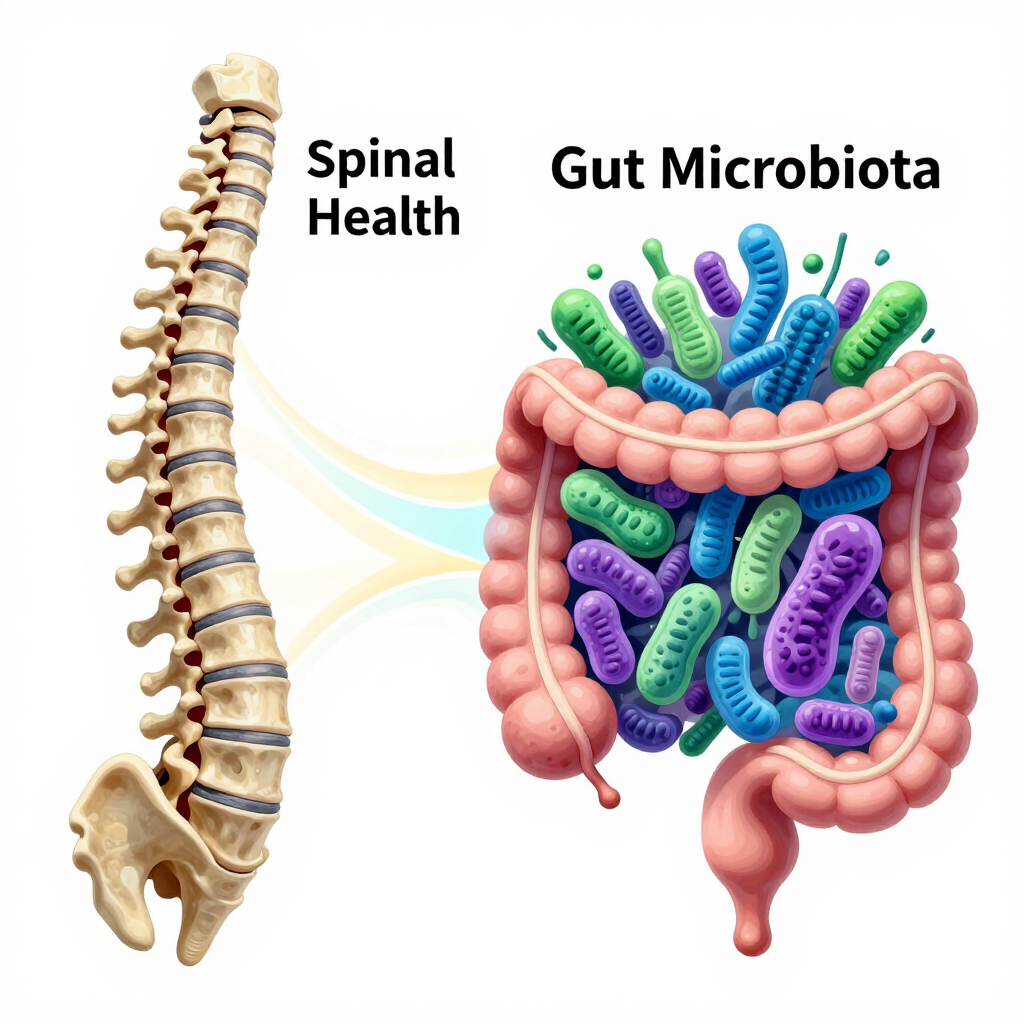
The gut can influence immune modulation and systemic inflammation, affect metabolite production and nutrient reabsorption. There is also some evidence that the movement of bacteria from the gut to the spine can directly affect disc health.
Inflammation and dietary factors significantly affect spinal problems and pain through the gut-brain-spine axis, where diet modulates the composition of the gut microbiota, which in turn regulates systemic and local inflammatory pathways that affect spinal tissues. This contributes to chronic low-grade inflammation, which can:
- Sensitizing spinal pain pathways
- Accelerate disc degeneration
- Negatively affect bone remodeling
- Impair tissue healing and recovery
There is some evidence that probiotic supplementation with Lactobacillus and Bifidobacterium shows promise for spine and bone health by modulating the gut microbiota, reducing inflammation, modulating immune responses and increasing mineral absorption. However, the evidence is somewhat limited, and higher-quality studies are needed.
But probiotic supplementation has many other proven benefits and can be considered as an adjunct to spinal treatment, along with increased dietary fiber and reduced intake of ultra-processed foods, refined carbohydrates, and sugars.
Article link>>
27/08/2026
Plant-Based Diets and Health
Our understanding of cardiac risk factors and their relationship to the microbiome has changed. Some species of gut bacteria, when they predominate, cause more inflammation and are associated not only with coronary artery disease, diabetes and obesity, but also with neurological degeneration and many inflammatory conditions.
In a whole-food, plant-based diet, fiber is an important component that is not found in animal products. Fiber alters the microbiome and changes the risk of a range of diseases, not just heart disease.
One of the largest studies, published in 2024, followed more than 200,000 people over several decades and found that participants who consumed more plant protein than animal protein had a 19% lower risk of cardiovascular disease and up to a 27% lower risk of coronary artery disease. According to the authors, the benefit depended not only on what was added to the diet, but also on what was removed.
Alternative proteins, from frozen legumes to veggie burgers, promise to protect both the planet and the heart and have become a symbol of a new way of eating, considered more sustainable and, in theory, healthier. Although replacing meat with plant-based alternatives to reduce cardiovascular risk has gained widespread acceptance, emerging evidence is raising questions about when, how and for whom these options are truly beneficial.
A 2024 study conducted in Singapore compared plant-based meat alternatives with meat products and found no significant cardiometabolic benefits. Plant-based alternatives contained more fiber and potassium, but also more sodium. The researchers concluded that nutritional quality is a key concern in this product category.
A British cohort study published in The Lancet in 2024 found that non-ultra-processed plant foods were associated with a lower cardiovascular risk, while ultra-processed plant foods were associated with higher risk and mortality. This distinction challenges the assumption that all plant-based diets are healthy.
Other alternative protein sources are also gaining attention, despite limited evidence. These include mycoproteins derived from fungi, which have shown promising effects on lipid profiles, particularly in reducing LDL cholesterol, possibly due to their structural fiber content. However, existing studies are limited and short-term.
Seaweed also contains bioactive compounds, antioxidants, and omega-3 fatty acids with potential cardioprotective effects. Some seaweeds are also rich in calcium and are the only oxalate-free plant source. However, most evidence comes from experimental or preclinical studies, and concerns remain about iodine content and potential contaminants, depending on the source.
Article link 1>>
Article 2 link>>
24/08/2026
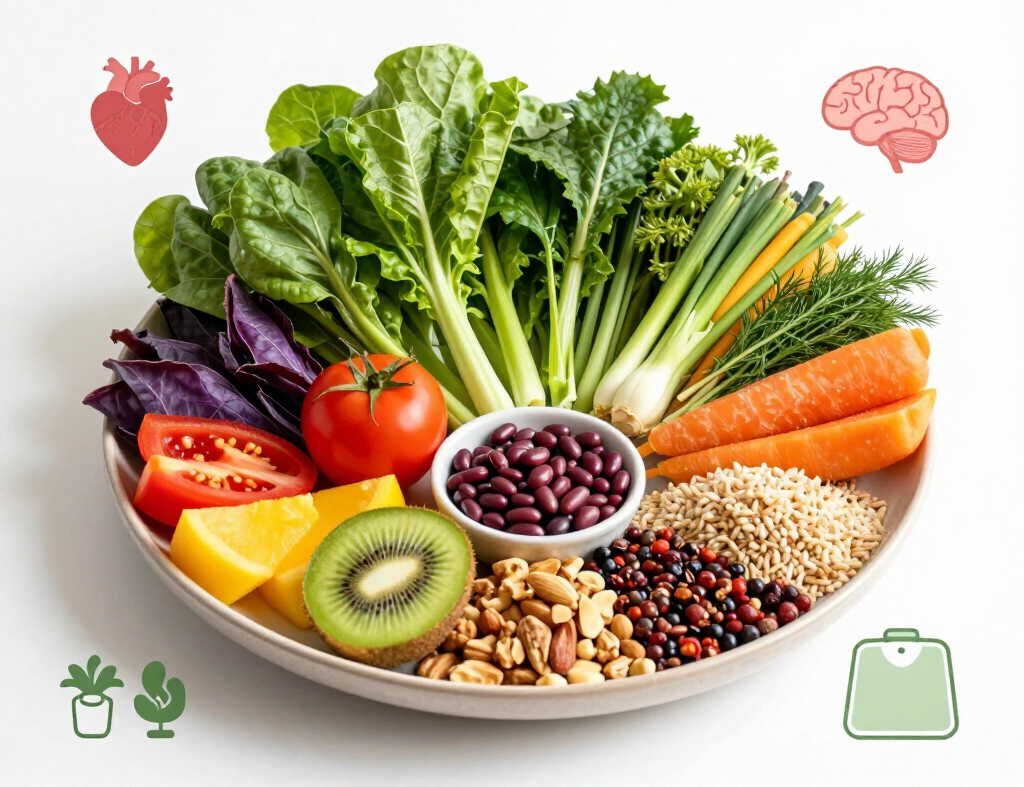
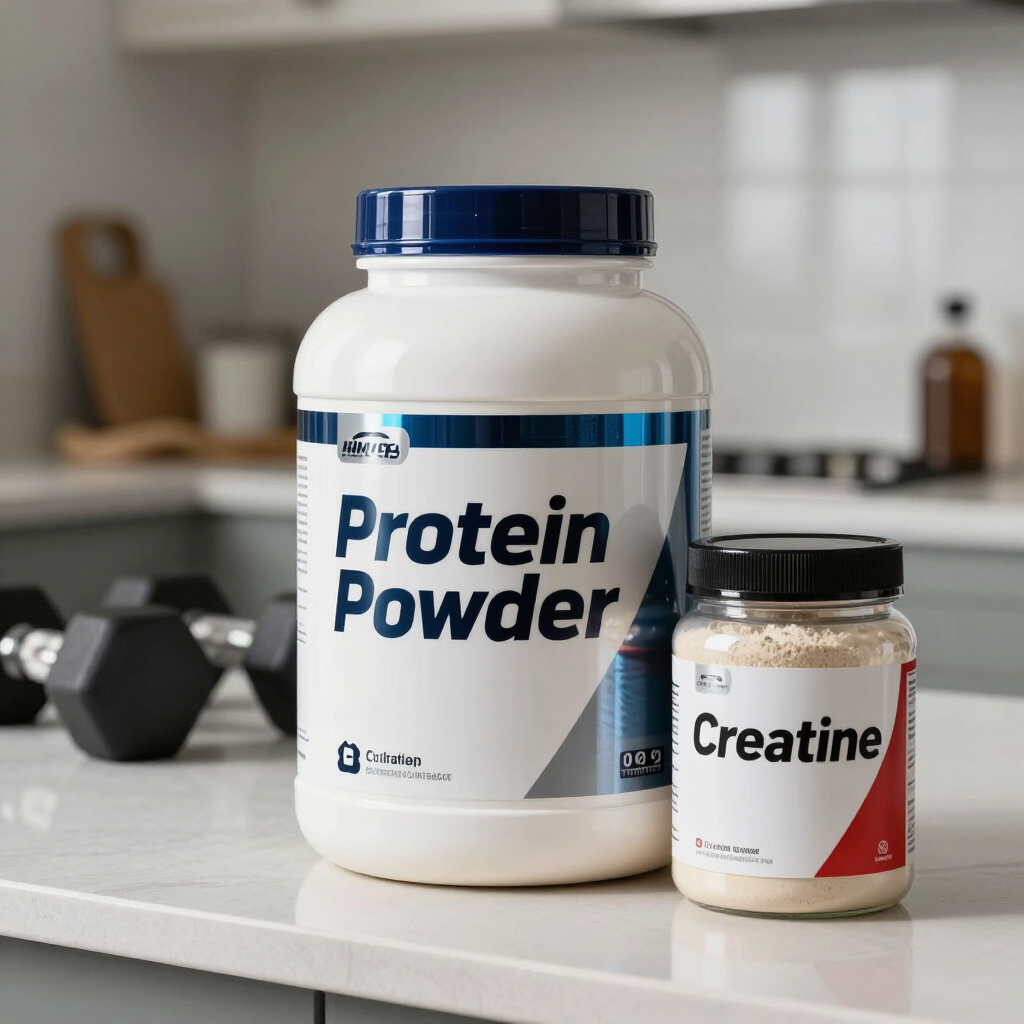
Protein and creatine supplementation
Protein supplements offer a practical way to support muscle recovery and growth after exercise, and help preserve lean body tissue when we may not get enough protein from our meals.
Unlike protein, which is a structural component found in everything from muscles to hormones, creatine is an energy substrate. It is used to fuel short bursts of physical activity requiring strength and power, such as sprints and weight training. The body can synthesize about 1 or 2 g/day from dietary sources such as meat and fish, which provide the muscles with about 60%-80% of the creatine they store.
Still, for most patients, protein and creatine supplements offer little benefit outside the context of strength training.
Interest in creatine for brain health grew out of the understanding that creatine deficiency or dysfunction can adversely affect cognition.
Authors of a review noted that creatine supplementation may help improve mood, cognition and sleep in healthy adults. The observed improvements were generally more notable among women.
But the evidence is still not strong regarding the potential benefits of creatine supplements for healthy individuals or people with dementia. And although creatine appears safe when used to support exercise and muscle building, safety concerns have not been fully ruled out.
In general, the recommended amounts are:
- Protein target: 1.2-1.6 g/kg/d; creatine: 3-5 g/d is effective for most people.
- GLP-1 users may need 1-1.2 g/kg/d of protein, along with resistance training, to preserve muscle.
- 20 g of protein per meal for a younger adult, 30 g for an older adult, and 40 g should maximize protein synthesis for almost anyone.
- Ensure the protein source contains 2–3 g of leucine. Older adults with some degree of leucine resistance should aim for 0.4 g/kg per meal.
Article link 1>>
Article 2 link>>
08/20/2026
Nutrient intake while using GLP-1 receptor agonists
A study was conducted with a sample of participants who had been using GLP-1 receptor agonists for at least one month. They completed questionnaires and a 3-day food record.
Compared with DRI reference values, participants consumed adequate amounts of B vitamins, copper, phosphorus, selenium and zinc.
Participants had inadequate intake of several essential nutrients below the DRIs, including fiber, calcium, iron, magnesium, potassium, choline, vitamin A, vitamin C, vitamin D, and vitamin E.
The group also did not meet the daily MyPlate recommended servings for fruits, vegetables, grains, or dairy (p < 0.01). Protein intake (% of total calories) was within recommendations; however, based on g/kg/day, protein intake was significantly below daily requirements. Patient-centered nutrition counseling is essential to optimize outcomes and prevent unintended health consequences.
Article link>>
08/14/2026
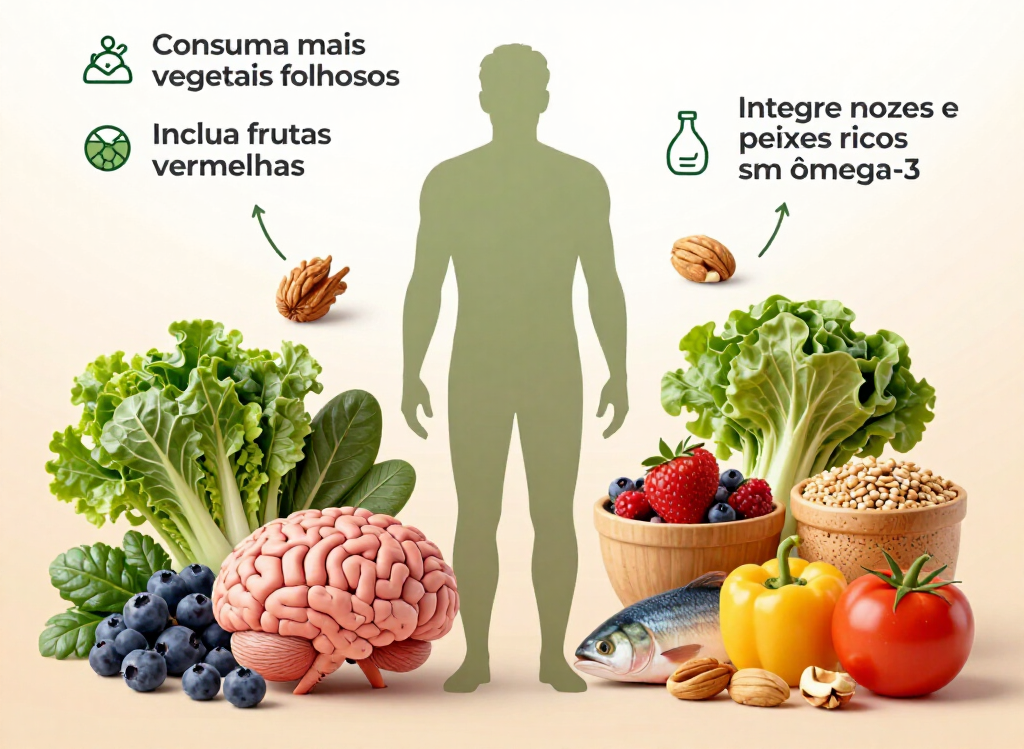
Three Major Studies Link a Healthy Midlife Diet to Lower Risk of Cognitive Decline
Three cohorts followed US health professionals for years, continuously assessing them using dietary and cognitive questionnaires. Individuals with greater adherence to healthy eating patterns, particularly the Dietary Approaches to Stop Hypertension (DASH) diet, had a significantly lower risk of cognitive decline and better performance on objective cognitive tests. Diet was assessed every four years using validated food frequency questionnaires for six dietary patterns: Alternate Healthy Eating, the DASH diet, Healthy Plant-Based Diet, Planetary Health Diet, and two data-driven patterns reflecting lower hyperinsulinemia and lower inflammatory potential.
Across all six healthy eating patterns, greater adherence was associated with a lower risk of global cognitive decline; the DASH diet showed the strongest effect.
Article link>>
10/08/2026
Breakfast may affect appetite and gut health
One study found different results: a high-protein breakfast reduced appetite, while a high-fiber breakfast may improve gut health. Both may promote weight loss and metabolic benefits.
The results showed that, although both meals provided fewer calories, the high-protein breakfast was better at maintaining satiety, while the high-fiber meal resulted in lower post-meal satiety.
Factors such as the timing of protein intake and the type of protein may have different effects on appetite control. Fiber promotes satiety by increasing viscosity and swelling in the gut; these physiological effects contribute to a feeling of fullness after a meal.
In another study, researchers compared meal size between a diet with higher energy intake in the morning and one with higher intake in the evening.
Both diets produced similar weight loss, with no differences in energy metabolism. Higher energy intake in the morning resulted in lower daily subjective appetite and hunger.
Article link 1>>
Article 2 link>>
07/29/2026

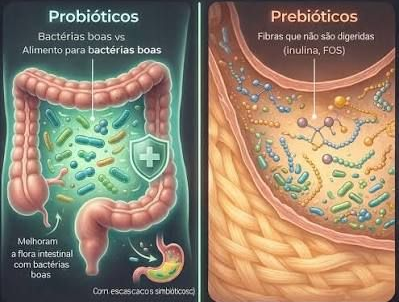
Probiotics: When They Help and When They Harm
The health benefits of probiotics are well documented for some indications, while the evidence for other uses remains inconsistent. They may also pose some risks for vulnerable patients.
To prevent antibiotic-associated diarrhea, many studies (meta-analyses) show good results, which vary depending on the medication used and the type of probiotic. For acute gastroenteritis in children, meta-analyses indicate that certain probiotics may shorten the duration of illness and sometimes reduce stool frequency.
Meta-analyses have shown improvements in chronic liver disease and bacterial vaginosis when used as an adjunct to antibiotic therapy, reducing recurrence rates.
The American Gastroenterological Association concluded that, for several gastrointestinal disorders, evidence is insufficient or inconsistent for many indications, including irritable bowel syndrome.
Risk factors include severe immunosuppression, central venous catheters, serious underlying disease or significant mucosal damage. Under these conditions, what may seem like a harmless supplement can become dangerous.
For S. boulardii, systematic reviews have documented fungemia, particularly in intensive care settings. Bacterial bloodstream infections caused by probiotic strains such as Lactobacillus have also been reported. These are rare, but occur more often in patients with serious comorbidities or significant immunosuppression. In patients with acute pancreatitis, probiotic treatment did not reduce infectious complications and was associated with increased mortality.
Probiotics are a sensible therapeutic option for selected indications, but only when chosen with attention to strain and indication. The most common mistake is using probiotics on the assumption that they are simply “good for the gut,” without a structured benefit-risk assessment.
Article link>
07/21/2026
Cardiometabolic benefits of sleeping while fasting
Overnight fasting, begun three hours before bedtime, led to significant improvements in cardiometabolic measures, including nighttime blood pressure, heart rate decline, and glucose regulation, according to the results of a small but promising study.
The findings highlighted that “it’s not just how much and what you eat, but also when you eat in relation to sleep, that influences the physiological benefits of time-restricted eating,” said the lead author.
Eating late in the day, especially close to bedtime, is associated with various adverse health effects, such as weight gain, insulin resistance, and impaired blood sugar regulation. In contrast, overnight fasting and time-restricted eating have recognized cardiometabolic health benefits.
Article at the link >>
19/07/2026

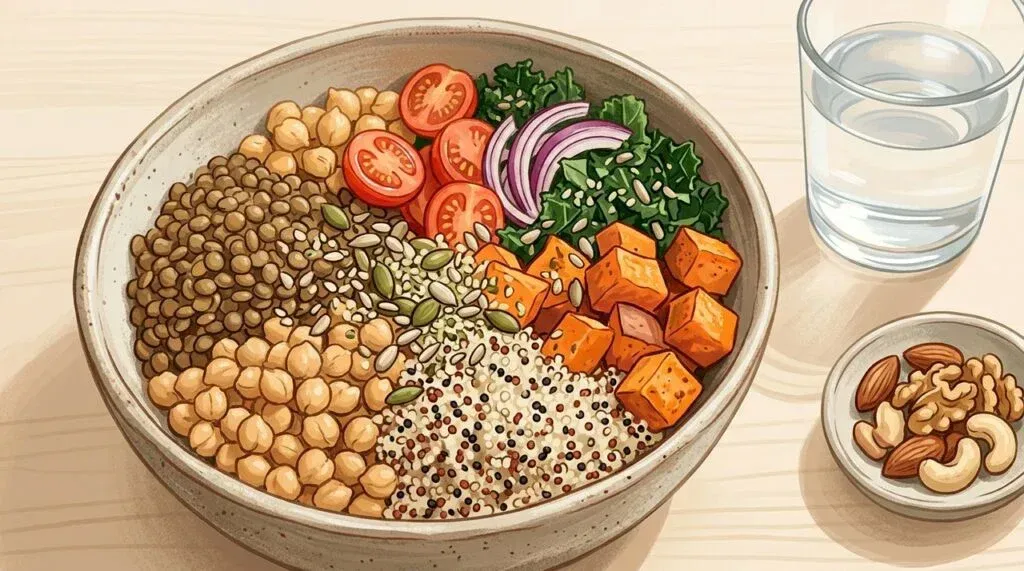
For weight loss after menopause, protein source is key
Postmenopausal weight management can be challenging, but according to a new study, reducing animal protein intake and increasing plant protein intake were associated with greater weight loss in women after menopause.
“Women do not necessarily need to increase their total protein intake. Instead, replacing animal protein with plant protein from foods such as beans, lentils, soy, and whole grains may help achieve a healthy body weight while providing additional cardiometabolic benefits,” the author said.
Amino acid composition may also influence metabolic outcomes: restricting leucine, histidine, and methionine (amino acids found in animal proteins) was associated with improvements in body composition.
In the study, each daily shift of 16.2 g less animal protein and 12.7 g more plant protein was associated with a 1 kg weight loss.
Potential explanations for the beneficial effects include the lower energy density and higher fiber content of plant protein foods, which may promote satiety, as well as differences in amino acid composition.
Article link>>
11/07/2026
What Your Skin Can Tell You About Your Nutrition
Dry, rough or flaky skin
May be associated with lower intake of essential fatty acids, vitamin A or zinc. These nutrients help maintain the skin barrier and support cell renewal. Supportive foods: orange and yellow foods, such as sweet potatoes and carrots, for beta-carotene, along with omega-3-rich foods like nuts, chia, flaxseeds and oily fish. Pumpkin seeds and legumes can help provide zinc.
Cracks at the corners of the mouth
These signs may be associated with deficiencies in vitamins B2, B6 and B12. These nutrients are involved in cellular energy and tissue repair.
Supportive foods: dark leafy greens, bananas, eggs, dairy, legumes, and whole grains provide a range of B vitamins.
Pale skin or dark circles
May suggest low iron levels or inadequate protein intake, both of which are important for oxygen transport and tissue integrity.
Supportive foods: iron-rich options include lentils, spinach, meat, and pumpkin seeds. Pairing them with foods rich in vitamin C, such as citrus fruits or bell peppers, can increase absorption.
Easy bruising or slower skin healing
This may be related to low levels of vitamin C or vitamin K, which play a role in collagen formation and vascular integrity.
Supportive foods: brightly colored fruits, such as berries, kiwi, and citrus fruits, provide vitamin C, while leafy greens like kale and arugula provide vitamin K.
Rashes or congested skin
May reflect a combination of factors, including blood sugar balance, inflammation and possibly deficiencies in zinc, vitamin A, selenium or omega-3.
Supportive foods: fiber-rich, colorful vegetables and healthy fats. Cutting back on excess refined sugar and adding foods like avocado, chia seeds and leafy greens may help maintain balance.
Article link >>
02/07/2026
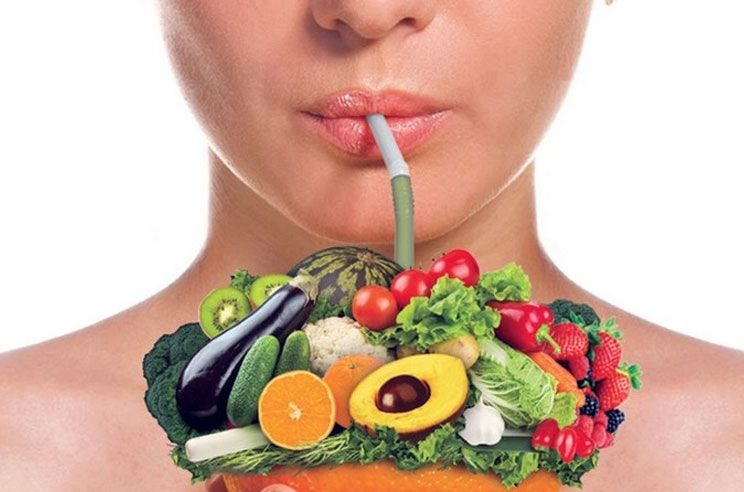
Properties of coconut oil
Coconut oil has a long history of use in traditional medicine in China and India, as well as in food preparation. It is composed primarily of saturated fatty acids, including capric acid (7%), caprylic acid (8%), gallic acid, lauric acid (49%), linoleic acid (2%), myristic acid (18%), oleic acid (6%), palmitic acid (8%), stearic acid (2%), and phenolic acids, as well as medium-chain triglycerides, polyphenols, iron, and vitamins E and K.
It is known for its anticancer, antidiabetic, anti-inflammatory, and antimicrobial properties, as well as its antioxidant, hypocholesterolemic, and skin-moisturizing activity.
The monoglyceride monolaurin, derived from lauric acid, has notable antibacterial effects against Propionibacterium acnes, Staphylococcus aureus, Staphylococcus epidermidis, Pseudomonas aeruginosa, Escherichia coli, Proteus vulgaris, and Bacillus subtilis.
A study by Meliala and colleagues showed that virgin coconut oil and hydrolyzed virgin coconut oil improved MMP-9, PDGF-BB and TGF-beta-1 protein expression, suggesting they may aid wound healing. They noted that the hydrolyzed version was more active.
Virgin coconut oil has been reported to have emollient and hair-conditioning effects. It may also help treat hair loss through its antioxidant, anti-inflammatory, antimicrobial, and immunomodulatory activity.
In another study, Kim and colleagues demonstrated the effects of fermented coconut extract on human skin exposed to ultraviolet B radiation. Skin samples treated with the extract showed increased expression of components that help protect the skin. Expression of the inflammatory marker also decreased, while collagen and hyaluronan synthase-3 expression increased in the treated group. The authors concluded that fermented coconut extract improved stratum corneum barrier function and provided anti-inflammatory activity—effects they attributed to the abundant polyphenols and fatty acids in coconut.
Article at link>> 20/06/2026
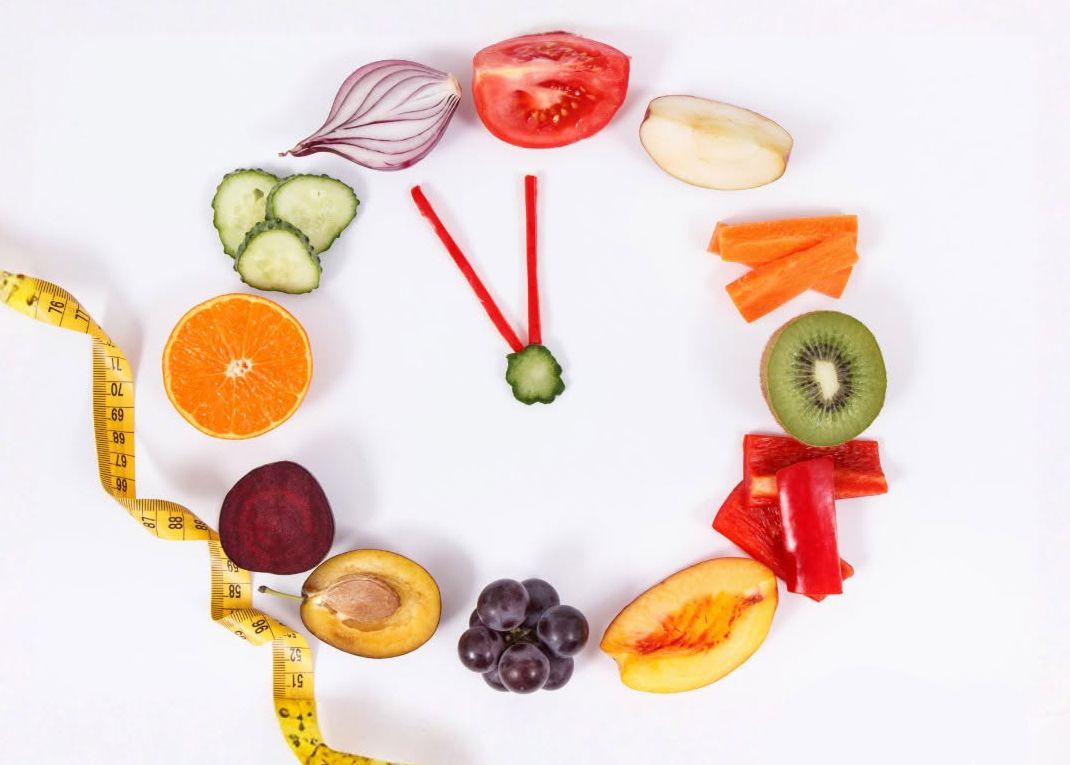
Chrononutrition:
Food components with positive effects on circadian rhythms
The importance of the circadian clock in maintaining human health is now widely recognized. Disrupted clocks may be a common cause of age-related diseases and metabolic syndrome. Melatonin and glucocorticoids (from the adrenal glands) are two examples of the circadian clock at work.
Although these clocks can be improved and stabilized through noninvasive strategies such as phototherapy, dietary restriction, and exercise, synthetic and natural compounds are emerging candidates in circadian medicine to help improve clock-regulated processes and treat circadian misalignment disorders. Many phytochemicals, such as flavonoids, alkaloids, polyphenols, and melatonin, have been reported to regulate the expression of genes linked to the circadian clock.
Among them, quercetin (from onions, apples, and grapes) stands out for its effects through the GABAergic pathway, which is responsible for sleep and pain relief. The main catechin (EGCG) found in green tea appeared to regulate cell-signaling pathways in the central nervous system linked to diurnal rhythms. EGCG’s regulatory effect was demonstrated in circadian clock metabolic disorders resulting from a high-fat/high-fructose diet, and EGCG administration was found to improve diet-related declines in circadian function.
Proanthocyanidins (from cocoa, grapes, and cranberries) have a regulatory effect on glucose and lipid metabolism in the liver, adjusting the circadian rhythm. Luteolin, a compound known for its neuroprotective properties, can also promote sleep. It accumulates in the peel of citrus fruits and is used to soothe and treat indigestion by promoting gastrointestinal motility. It also acts by modulating circadian clocks, with increased activity at dawn and dusk, and activates clock-controlled metabolic genes involved in insulin signaling and mitochondrial function.
Article link >> 08/06/2026
Probiotic found in kimchi helps eliminate nanoplastics
Nanoplastics (NPs) are increasingly prevalent and pose potential health risks. The food-derived bacterium Leuconostoc mesenteroides CBA3656 demonstrated high NP biosorption efficiency. Under simulated intestinal fluid conditions and also in in vivo experiments, studies showed significantly increased fecal excretion of NPs.
Original article (link) >> 05/06/2026
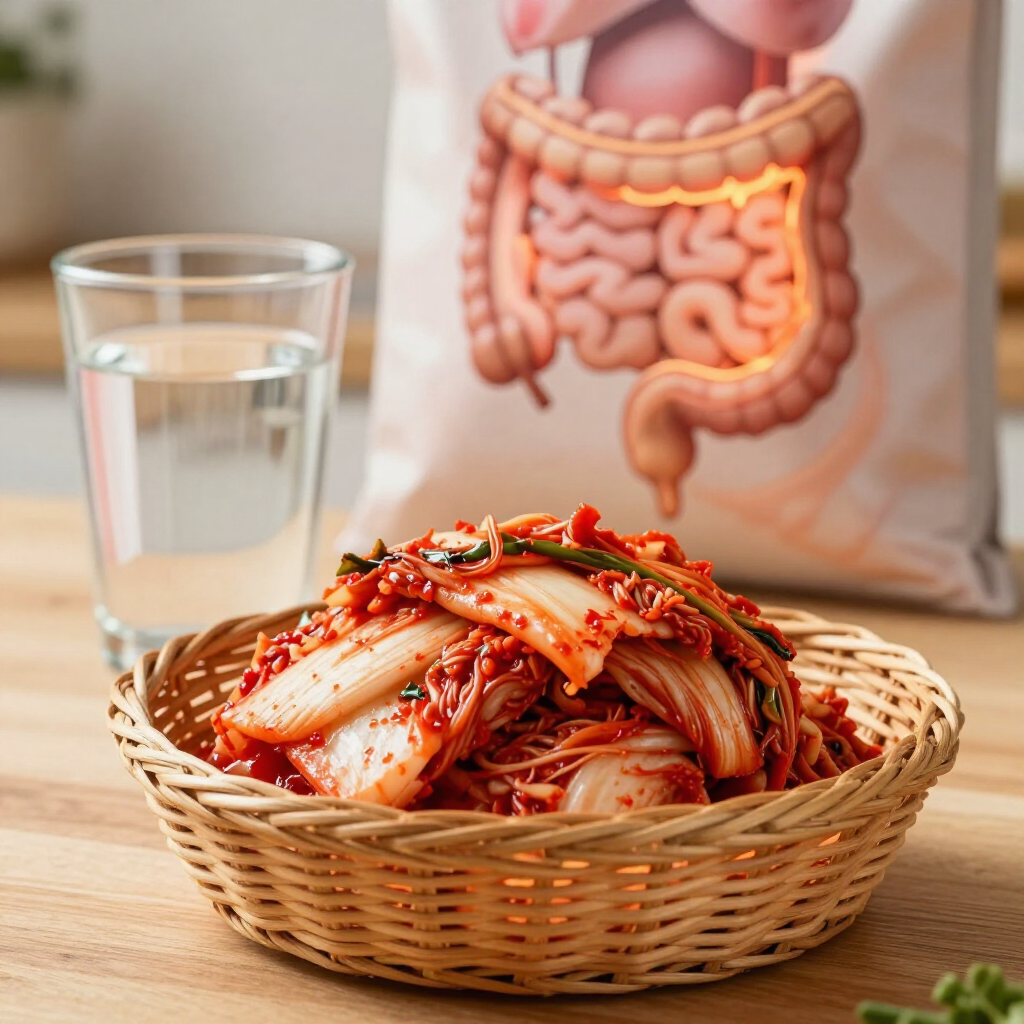
Nutritional Strategies for Irritable Bowel Syndrome
The Western dietary pattern—with many additives in highly processed foods and a high proportion of saturated fats—seems
play an important role in the development
of inflammatory bowel disease (IBD).
Additives are suspected of affecting the microbiome and promoting dysbiosis
and may affect barrier function. Like emulsifiers, which have been shown to
increase intestinal permeability.
For prevention, the “S3 Guideline on Clinical Nutrition in IBD (link)” of the German Society for Nutritional Medicine recommends a
a diet rich in vegetables and omega-3 fatty acids and low in omega-6 fatty acids, which is associated with a lower risk of developing IBD.
The guideline notes that malnutrition is common, particularly protein deficiency and anemia caused by deficiencies in iron and folate, as well as vitamin B12.
A low-FODMAP diet reduces abdominal pain, bloating, and diarrhea, but should only be considered for short-term use,
since it is restrictive and may worsen malnutrition.
The Mediterranean diet is suitable for maintaining remission; half of daily intake should come more from vegetables than fruit,
one quarter protein-rich foods and the remaining quarter carbohydrates, preferably whole grains.
04/06/2026
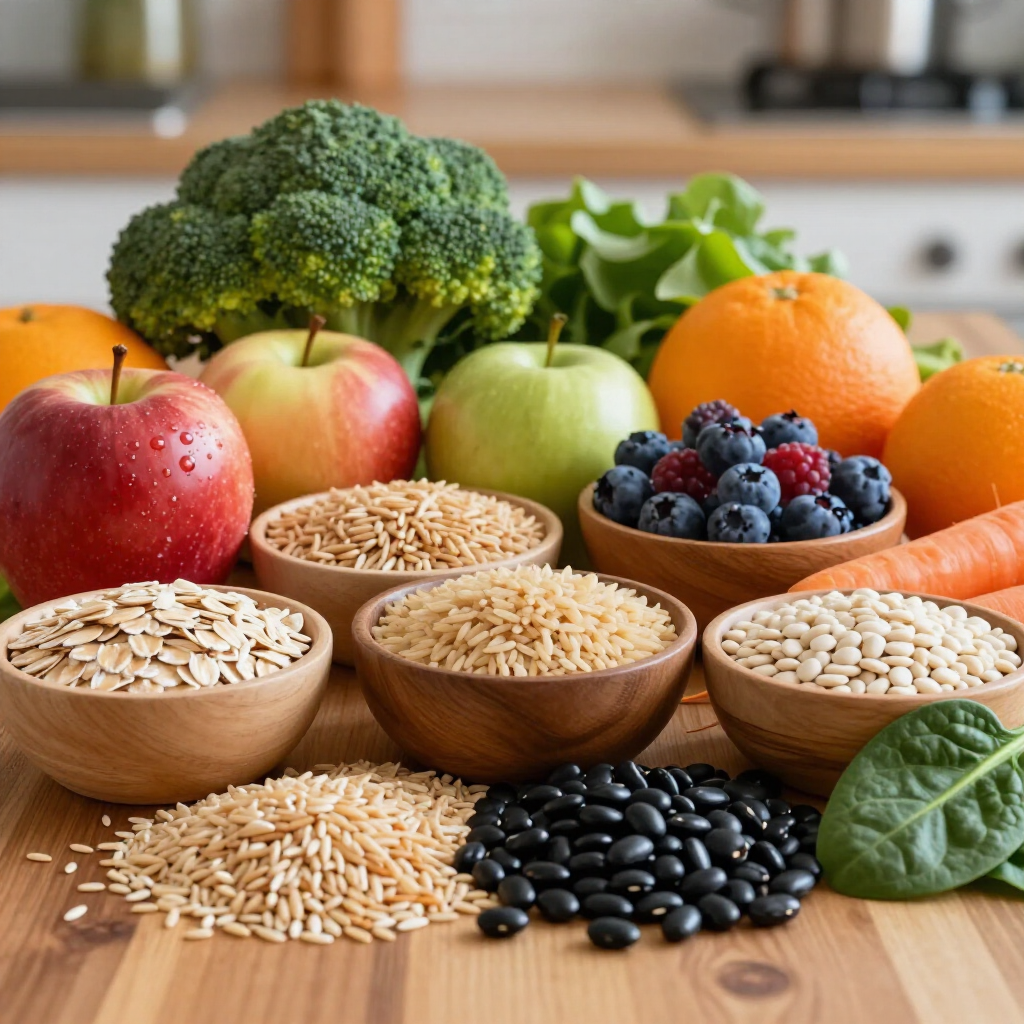
Not all fiber is created equal
Fiber, found mainly in fruits, vegetables and grains, has been associated with lower risks of coronary artery disease, stroke, hypertension, obesity, diabetes and even colon, stomach and breast cancer.
However, not all fiber is the same. Depending on its composition, different types of fiber offer distinct health benefits and affect the gut microbiota in different ways.
Soluble fiber - cardiovascular health: oat bran, nuts, seeds, beans, citrus fruits, psyllium, barley, peas, methylcellulose
Insoluble fiber - digestive health: wheat bran, whole grains, celery, kale, grapes, tomatoes, potatoes, fruit skins
Original article (link) >> 04/06/2026
https://pubmed.ncbi.nlm.nih.gov/35798020/
https://pubmed.ncbi.nlm.nih.gov/21736808/
https://www.frontiersin.org/journals/immunology/articles/10.3389/fimmu.2026.1913480/full
https://www.medscape.com/viewarticle/among-women-taking-enough-calcium-protein-matters-more-2026a1000oy1?
https://www.medscape.com/viewarticle/food-allergy-or-intolerance-key-clues-clinicians-2026a1000u0n
https://www.medscape.com/viewarticle/diet-plan-seeks-create-portfolio-healthy-options-2026a1000460
https://portugues.medscape.com/viewarticle/lipedema-ganha-primeira-defini%C3%A7%C3%A3o-global-baseada-2026a100044z?ecd=a2a
https://www.medscape.org/viewarticle/medscape-now-precision-psychobiotics-tailoring-prebiotics-2026a1000pwa?
https://www.medscape.org/viewarticle/medscape-now-galacto-oligosaccharides-and-gut-brain-axis-2026a1000ptm?
https://www.medscape.com/viewarticle/ibs-symptoms-improved-fodmap-targeting-enzyme-combo-2026a10012ee?
https://www.medscape.org/viewarticle/medscape-now-prebiotics-brain-can-fos-and-inulin-lower-2026a10011rg?
https://www.medscape.org/viewarticle/medscape-now-probiotics-comorbid-ibs-and-anxiety-dual-action-2026a10011qk?
https://www.medscape.com/viewarticle/fiber-supplementation-particularly-psyllium-may-improve-2026a1000xbx?
Messages
Send us a message using the form below and we’ll get back to you as soon as possible.