
Articles and Recipes

Food Additives: New Evidence
French researchers reported in three recent studies that certain food dyes may be associated with an increased risk of type 2 diabetes and cancer, while several preservatives have been linked to a higher risk of hypertension and cardiovascular disease. These additives are common ingredients in ultra-processed foods, making the findings relevant to a large portion of the population.
Pending a reassessment of additive safety by health authorities, the findings support the Dietary Guidelines for the Brazilian Population recommendations to limit exposure to food additives and prioritize minimally processed and unprocessed foods.
Learn More >>
Brain Nutrition
Diets associated with improved cognition and mental health
A healthy, active lifestyle with enough exercise and sleep, as well as avoiding harmful substances such as alcohol, nicotine or excessive sugar, can protect the brain.
The results of current studies show that stroke and dementia are among the 10 leading causes of death.
On World Brain Day, the German Society of Neurology noted that too much sugar can harm the brain.
Drinking more than three cups of coffee a day is linked to faster cognitive decline, the results of a large study suggest.
Research has evaluated an intermittent fasting diet and a standard healthy diet focused on healthy foods; both led to weight loss, reduced insulin resistance, and slowed brain aging in older adults with overweight.
In young people, studies show that healthy diets are correlated with mental health: healthier foods reduce internalizing and externalizing disorders, while typical Western diets increase risk. Dietary interventions include higher levels of fruits and vegetables, fish, and nuts, and lower levels of processed foods.
Learn more >>
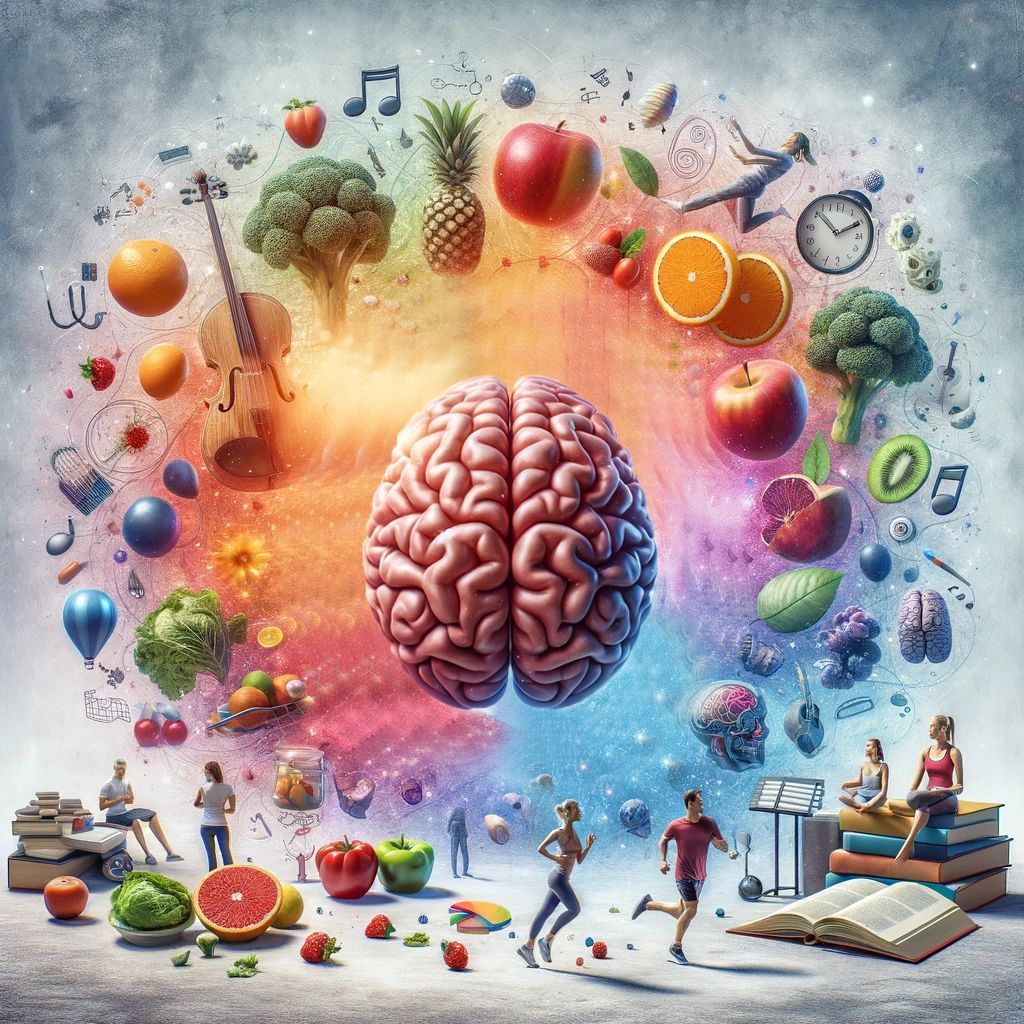
Forget the injections!
Foods that release appetite-suppressing hormones
Injectable weight-loss drugs such as Mounjaro, Ozempic and Saxenda have been getting all the glory lately, but they’re not for everyone.
If weight regain, side effects, muscle loss, or the cost of weight-loss medications haven't convinced you, another approach may increase satiety through the same pathway (GLP-1).
So, how do you do this, and how does it work? In theory, all you need to do is boost your gut microbiome.
To increase the variety of microbes in the gut, especially in the lower gut and colon—appetite-suppressing hormone producers—it is essential to know that they feast on the fiber in the foods you eat and turn it into substances your body needs. These substances send signals throughout your body.
If you don’t have enough microbes or have too many of the “wrong kinds,” this affects these signals, which can lead to increased hunger and various health problems.
Learn more >>
Midlife weight gain in women is not inevitable
Midlife (ages 40–65) is characterized by physical, psychological, and social changes, rooted in a combination of the natural aging process and the menopausal transition.
During this stage of life, 60%-70% of women report weight gain, predominantly with central (abdominal) fat deposition.
Although we generally reduce our calorie intake as we age, we also expend less energy as a result of reduced physical activity and a notable loss of muscle mass: from age 30 onward, muscle mass decreases by 3% to 8% per decade.
Excess adiposity is a major risk factor for cardiovascular disease, the leading cause of death among women, and breast cancer, the most common cancer in women.
Learn more >>
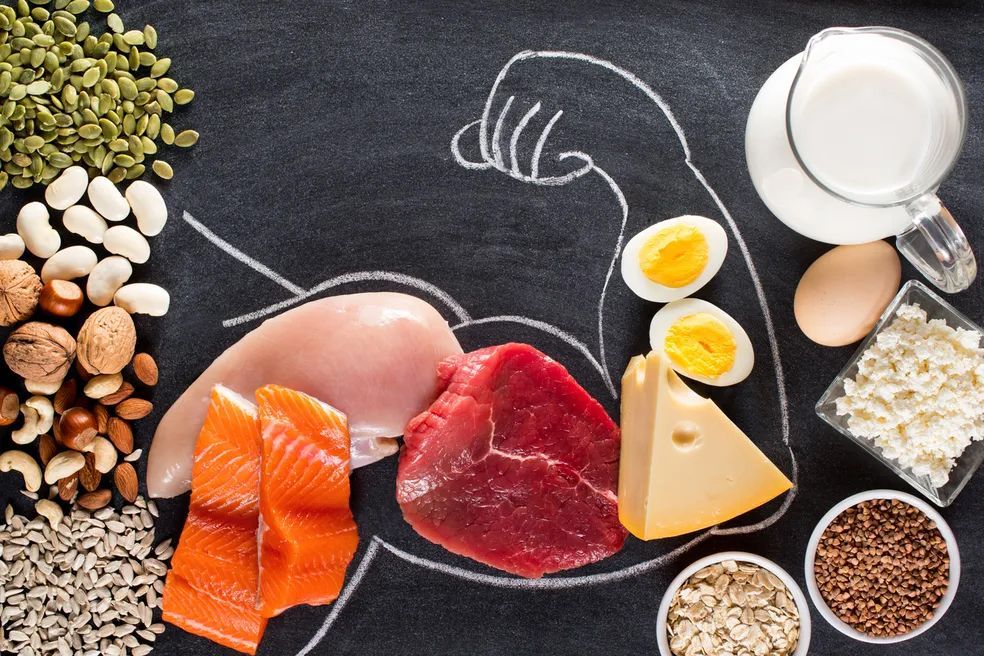
So, how much protein should I eat?
From the low-fat craze of the late 1980s (“fat makes you fat”) to the shift toward carbohydrates in general and sugar in particular in the 1990s and 2000s, we have now arrived at what seems to be a fascination with protein.
High-protein diets, such as the Paleo and Zone diets, are growing in popularity. And although the increasingly popular ketogenic diet is more anti-carbohydrate than other high-protein diets, any diet that limits one macronutrient will increase the concentrations of the others.
It makes sense that high-protein diets would be good for you. The good things in your body (like muscles) are made of protein, and you are what you eat, right? But the evidence doesn’t necessarily support the claim that eating a lot of protein is actually very healthy.
Learn more >>
Intermittent Fasting
Pros vs. Cons
Fasting has been used in therapeutic, cultural, and religious practices and traditions for thousands of years. During fasting, the body enters ketosis and undergoes a metabolic shift in its fuel source: from glucose to fatty acids. Fasting may not be ideal for all patients, such as pregnant people, people with type 1 diabetes, or those who have or are at risk of developing an eating disorder.
However, if appropriate for a patient’s personalized treatment strategy, the benefits of fasting may include improvements in several areas, such as mental or cognitive performance, cardiovascular health, type 2 diabetes, obesity and the effectiveness of cancer treatments.
Learn more >>


Food and
kidney stones
There is growing evidence that nephrolithiasis is a systemic disease, contrary to the former belief that it was an isolated urinary metabolic disease, as considerable links have been found between nephrolithiasis and chronic conditions such as hypertension, obesity, dyslipidemia and insulin resistance.
Kidney stones are a multifactorial disease, and many etiological factors can be appropriately modified through diet, since urine composition is directly related to diet.
In fact, changing inadequate habitual dietary patterns should be the primary measure for preventing kidney stones. Dietary interventions can reduce the risk of urinary stone formation and recurrence. Every patient with nephrolithiasis should follow dietary recommendations based on the composition of their stones.
Learn more >>
Sweetening
Recently, there has been a significant increase in the number of published studies addressing the health harms caused by sweeteners. The WHO has also weighed in, classifying them as harmful to health and weight loss.
The concern about consuming foods high in sugar is that they may raise blood sugar levels, increase our triglycerides, cause oxidative stress in the body, and lead to weight gain.
The big question that remained was: what, then, is the healthiest way to sweeten desserts and drinks?
Read more >>
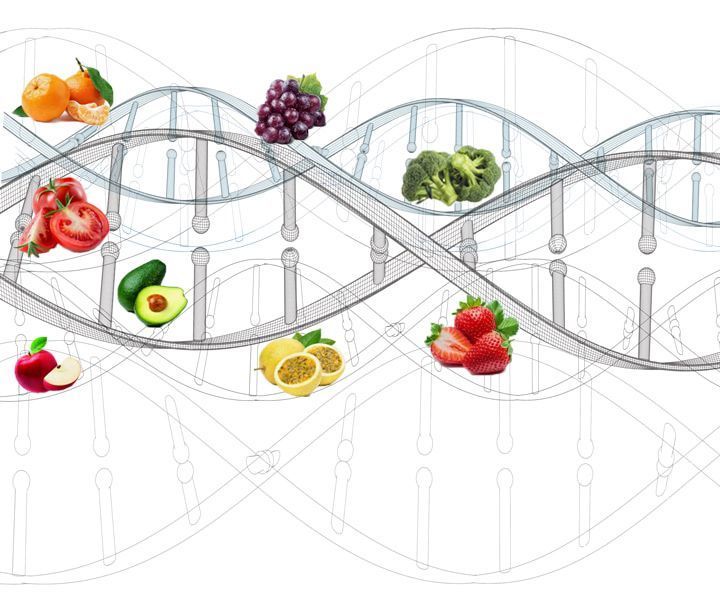
Precision Nutrition:
Nutrigenomics and personalized diets
A person’s gene-nutrient interactions, as well as variations in gut microbiome composition, are key components of dietary planning.
Metabolomics identifies the molecules and metabolites found in the body and can be used to determine potential disease risk biomarkers and track the effects of specific foods.
Nutrigenomics, on the other hand, explores how individual genetic differences play a role in how an individual responds to diet, variability in glucose responses, and the overall impact of diet.
A range of tests are available in Brazil, including: Nutritional Genomics, Urine Metabolomics, Gut Microbiota Mapping, etc.
Read more >>
The health benefits of postbiotics
When prebiotics are fermented by the gut microbiota, metabolites and byproducts are produced that are beneficial to health.
These postbiotics show potential immunomodulatory, anti-inflammatory, antioxidant, and anticancer properties, and may help inhibit pathogens.
Short-chain fatty acids (SCFAs): butyrate, propionate and acetate are examples of postbiotics.
Read more >>
Artificial sweeteners:
the sugar-free paradox
According to the new WHO (World Health Organization) guidelines, artificial sweeteners should not be used for weight loss.
The document warns that there is no scientific consensus on its effectiveness for weight control and notes long-term side effects, such as a higher risk of developing type 2 diabetes, cardiovascular disease and certain types of cancer. Read more>>
The best diets for heart health
An evidence-based analysis rated how well 10 popular diets align with the AHA (American Heart Association) dietary recommendations for heart-healthy eating on a scale of 1 to 100.
The 10 diets evaluated were: DASH, Mediterranean, pescatarian, ovo-lacto vegetarian, vegan, low-fat, very-low-fat, low-carbohydrate (paleolithic), and very-low-carbohydrate (ketogenic). Read more>>
Gut Health
"All diseases begin in the gut" Hippocrates
Our digestive tract is home to the gut flora, a highly complex group of bacteria and other microorganisms that influence immunity, inflammation, metabolism, and more.
An imbalanced microbiota has been associated with several health conditions, such as cardiovascular disease, diabetes, obesity, depression, and autoimmune diseases.
Read more>>
Dessert Recipes

Ingredients
6 bananas
4 eggs
1 drizzle of olive oil
2 cups of oats (I also use coconut or chickpea flour)
2 mangoes
Directions
Blend all the ingredients except the mangoes, then pour into a greased pan. Chop the mangoes and scatter them on top. Bake in a preheated oven for 30–40 minutes.
The mangoes melt and become creamy 🥰

Ingredients
4 tablespoons cocoa powder (use 2 if it’s 100%)
1 tablespoon coconut oil
1 cup cooked, drained chickpeas
2 eggs
¼ cup brown sugar
¼ cup molasses
Method
Preheat the oven to 180ºC and grease the pan with oil and cocoa powder. Add all the ingredients to a food processor and blend until smooth. Pour into the greased pan and bake for 20 minutes.
Makes: 8 pieces
Deduct: 1 Legumes/ 1 Sugars

Ingredients
1 cup oats
1/2 cup sesame seeds or almonds or walnuts
10 pitted dates or prunes (soak in hot water for 20 minutes)
1/2 cup shredded coconut
Method
Grind the oats and sesame seeds (or walnuts) until fine, then gradually add the dates. If needed, add 1 or 2 tablespoons of the soaking water. Shape into balls and roll in shredded coconut (I’ve also used cocoa).
Makes 8 pieces.
For 2 pieces, count: 1 Fruit/1 Oils/0.5 Grains

Ingredients: 2 and 1/2 cups oat flour 4 eggs 1/4 cup cocoa 1/4 cup oil (coconut, olive) 1/2 cup orange juice 1 tsp baking powder 1 tsp baking soda 1/2 cup molasses or coconut sugar or oven-safe sweetener (erythritol, xylitol) Method Combine the eggs, molasses, oil, orange juice, baking powder and baking soda in a bowl. Mix in the oat flour and divide the batter into 2 portions: add grated orange zest to one and cocoa to the other. Spoon a little of each mixture into a greased and floured pan and gently swirl with a fork. Bake in a preheated oven at 180 degrees for 25 to 30 minutes. Makes 8 servings, each = 1 Cereals, 0.5 Sugars
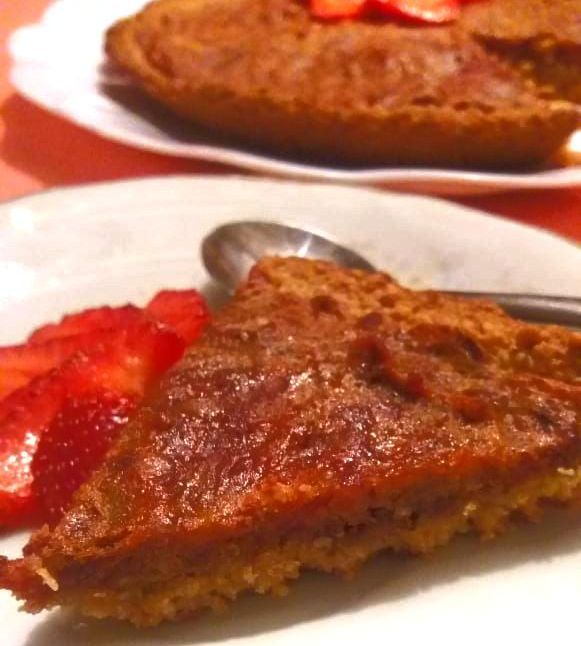
Ingredients
2 1/2 cups oat flour
3 eggs
1/4 cup olive oil or coconut oil
60 drops stevia or 4 tbsp molasses/coconut sugar
2 cups dates (or raisins/apricots), soaked in hot water for 20 minutes
1 tsp cinnamon
60 g 70% cocoa chocolate for decorating (optional)
Directions
For the crust: in a bowl, mix the flour, stevia or molasses, olive oil, and enough warm water. Mix until a smooth dough forms. Press into a pan (I used an oven-safe skillet) and bake for 8 to 10 minutes.
For the filling, blend the dates, eggs, and cinnamon until smooth. Pour over the par-baked crust and bake at 180 degrees for 20 to 25 minutes, until set and firm.
Let cool and decorate with melted chocolate (I used strawberries).
Makes 8 servings
Count as: 1 Grains/2 Fruits/0.5 Sugars (without chocolate 1/4)
Savory Recipes

Ingredients:
2 cooked and mashed arracacha roots
1 egg
1/4 cup water
1/4 cup olive oil
1 1/2 cups sour tapioca starch
salt and seasonings to taste
Directions
Mix everything, shape into balls, and bake for 20 minutes in a medium oven.
5 medium balls = 1 Grain

Ingredients
1 medium head cauliflower (raw)
1 lightly beaten egg
1/3 cup mozzarella or ricotta cheese
1 teaspoon salt
Method
Wash the cauliflower well and cut it into florets. Put it in a food processor or blender and pulse until it resembles coarse flour. Microwave for 4 minutes. Let it cool slightly, then place it all in a very clean cloth and squeeze firmly to remove all the liquid (the drier it is, the crispier the crust will be).
From this point, simply mix in the remaining ingredients. Line a pan with parchment paper and shape the pizza crust. Bake in a preheated oven until golden. Add your choice of toppings and return to the oven.
For the toppings, I used shredded chicken, vegetables, and slices of Canastra cheese 🥰
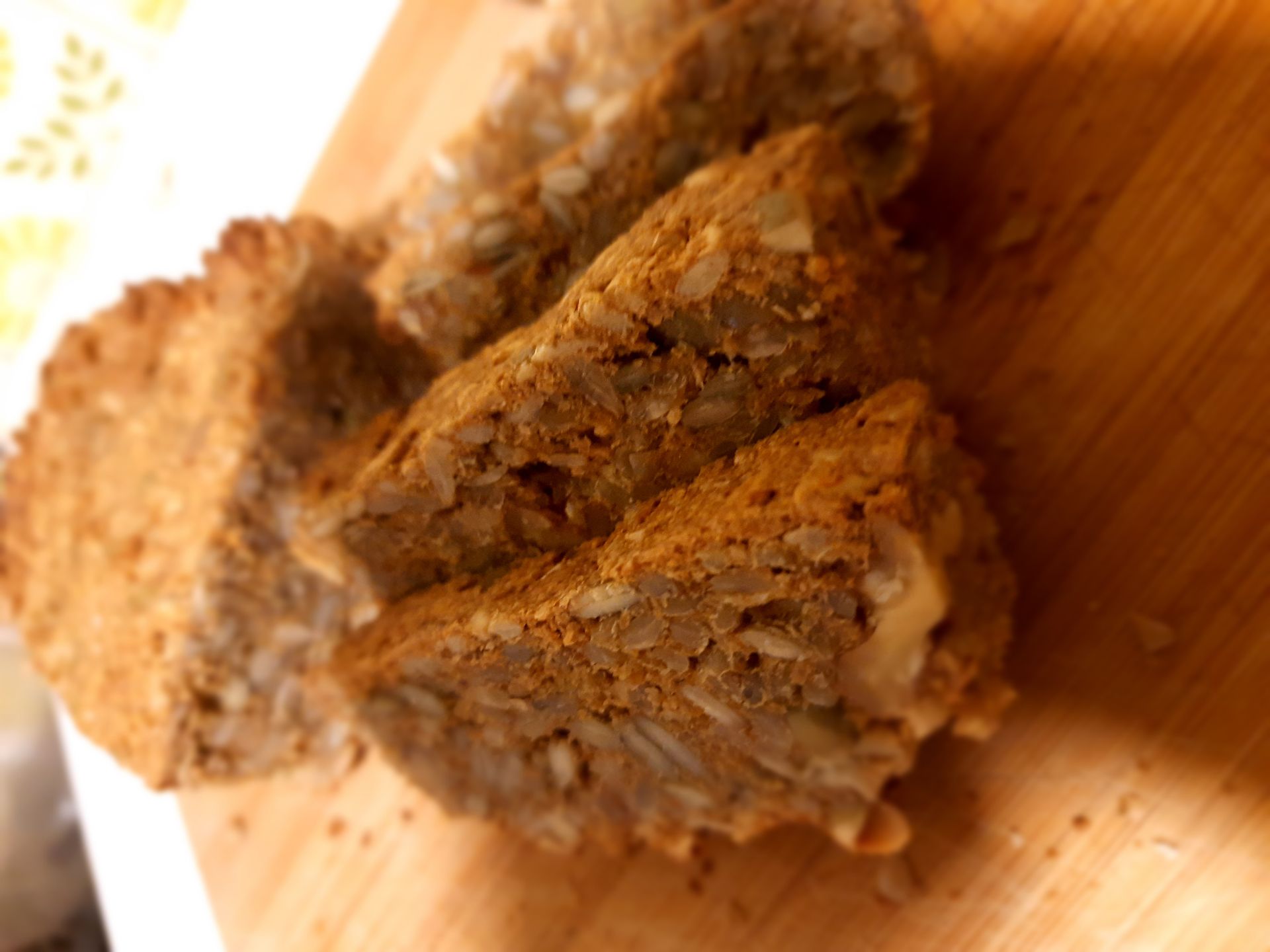
Ingredients
1.5 cups flaxseed meal
0.5 cup pumpkin seeds
0.5 cup sunflower seeds
0.5 cup almonds
0.5 cup walnuts
4 eggs
3 tbsp olive oil
Salt and seasonings to taste
Directions
Mix all the dry ingredients, then add the eggs and olive oil. Transfer this thick mixture to a greased pan lined with parchment paper and bake in a preheated oven for 40–50 minutes. Cover with parchment paper for the first 30 minutes; after that, it will form a crisp crust. Let cool and slice with a serrated knife.
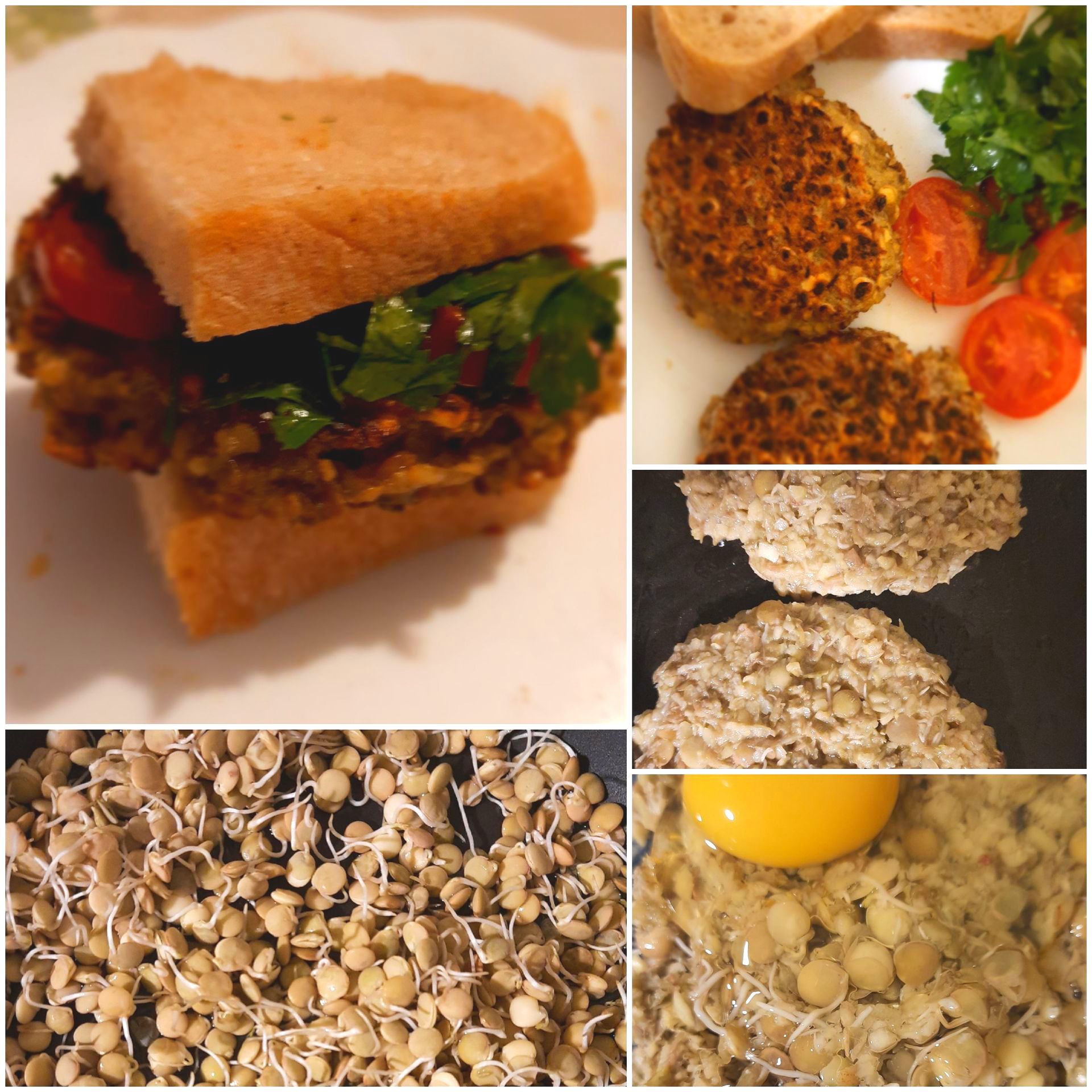
Ingredients
7 tablespoons sprouted lentils
1 egg
Method
To sprout: soak for 12 hours, drain, and cover with a cloth. Rinse with a little water every 12 hours; the lentils take about 24 hours to sprout.
I cooked them in a skillet to remove excess water and seasoned them, then pulsed them lightly in a blender and added 1 egg. I shaped the burgers and cooked them in a skillet with a drizzle of olive oil.
Makes: 2 pieces
Deduct from total: 1.5 Meat
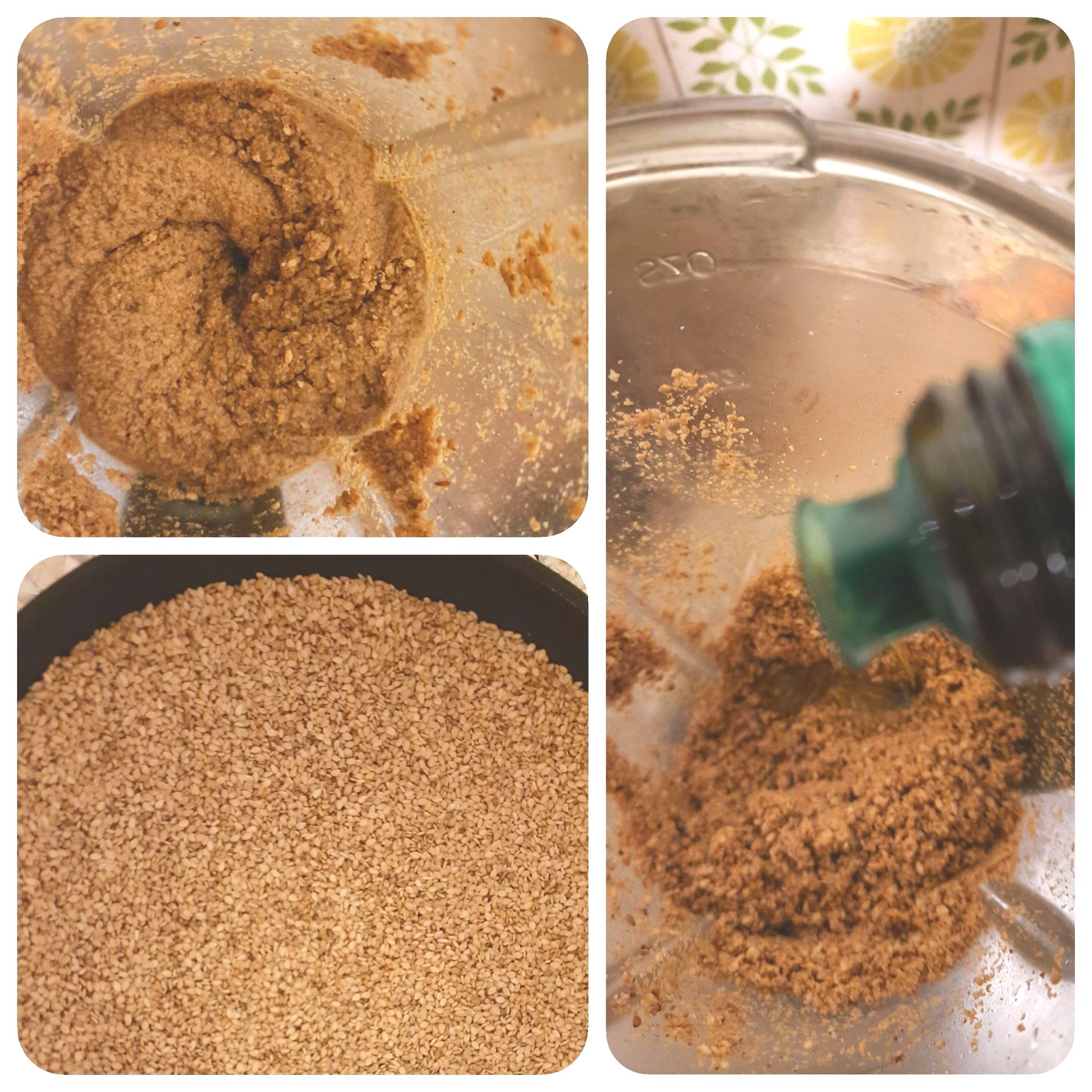
I toasted the hulled sesame seeds with a little salt and blended them, adding a drizzle of olive oil to help achieve the right consistency. Store covered in the refrigerator.